
Art for the office
How to design a workplace for millennials
Apr
Today’s job market requires companies to look for ways to attract and retain top young recruits. One of those ways is to have workplaces that are literal generations ahead of the old beige, boxed in cubicle office of the past!
If you want to retain the best talent, studying the most attractive work environments from silicon valley as well as Google is a great way to start.
There’s a variety of ways to create an office that millennials and their peers want to belong. With the biggest benefit being that a workplace designed for millennials can enhance how everyone in the company works together and bring a fresh perspective to traditional office designs.
First, cut loose from the cubicles

Millennials need to have the ability to move and customise their workstations freely. A flexible infrastructure and the option to work in different stations and new ways (such as a standing desk or a couch), means that employees can freely collaborate with one team for a week and sit with another team for a day plus reap the health benefits of standing desk work.
Millennials don’t need to have a dedicated workspace and appreciate more an office environment that acknowledges flexible and remote working — open and collaborative environments fuels efficiency and innovation for everyone in the long run.
Second, create zones
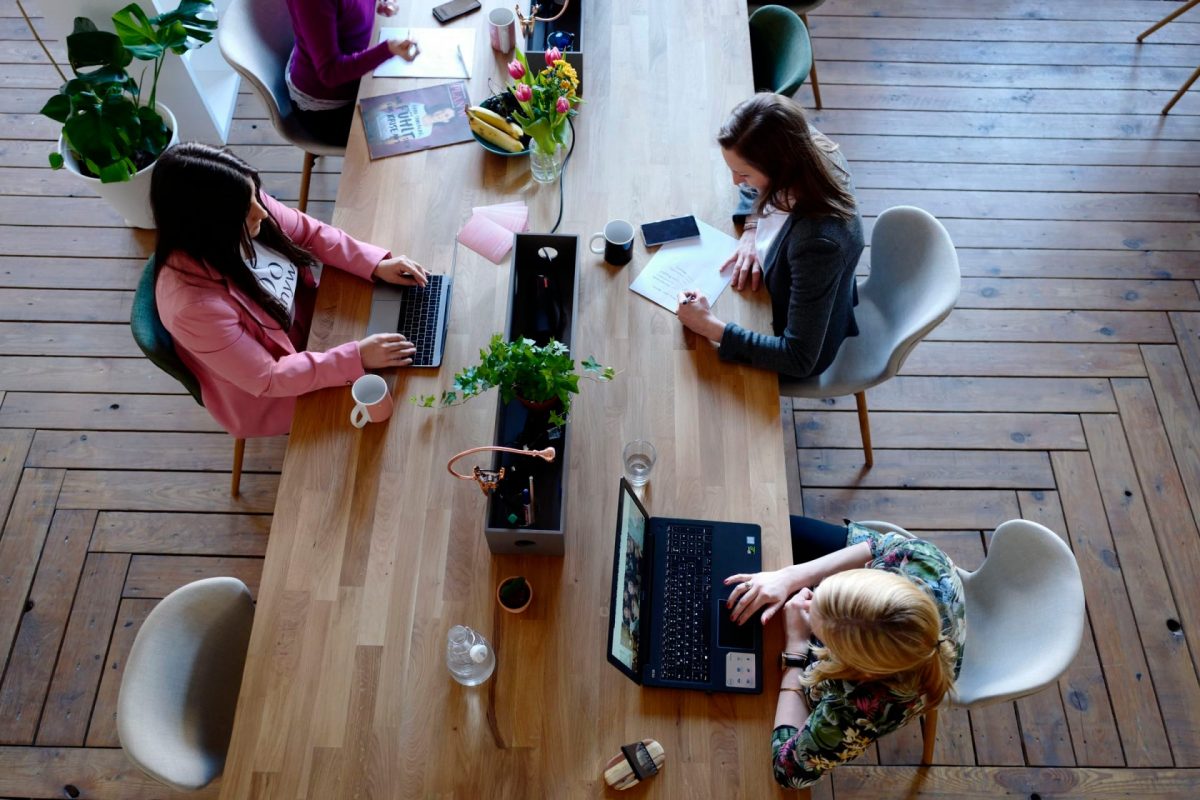
As the line between personal life and work life keeps blurring, the workplace can now integrate comfortable spaces that remind workers of home and are meant to help people relax and be at ease. Offices are now evolving into the creation of different distinct zones such as a designated quiet area, a social zone, and lounging areas that look and feel like living rooms.
This zoning of the office offers employees the option to change their environment when they feel like, but it also provides connectivity and transparency much more than rows of cubicles and walls of offices. This more relaxed, and approachable office reflects the culture of millennials and conveys a shift in company culture towards more flexibility and collaboration.
Third, create wellness connections
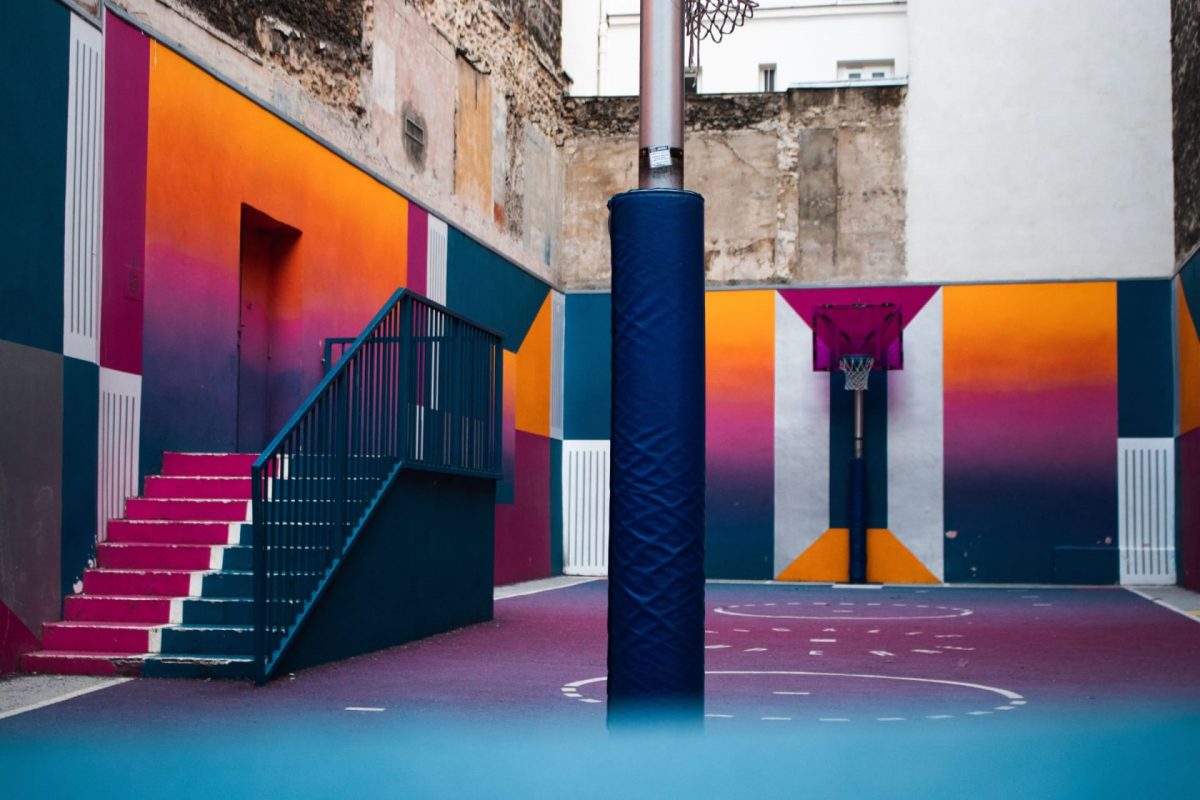
Millennials typically spend more extended hours at work, and consequently, most millennial-friendly offices are designed to develop a link to the outdoors, a feeling of wellness and offer natural opportunities for physical activity during the day.
To achieve this, offices should eliminate offices lining the perimeter of the building as they prevent natural light and views. Another option is to bring nature indoors with biophilia and to incorporate walls of windows. Having open and wide staircases also makes it a great way to encourage exercise and facilitate the connection between employees and impromptu conversations which again fuels collaborations and leads to new ideas.
Fourth, design fresh spaces for meeting places
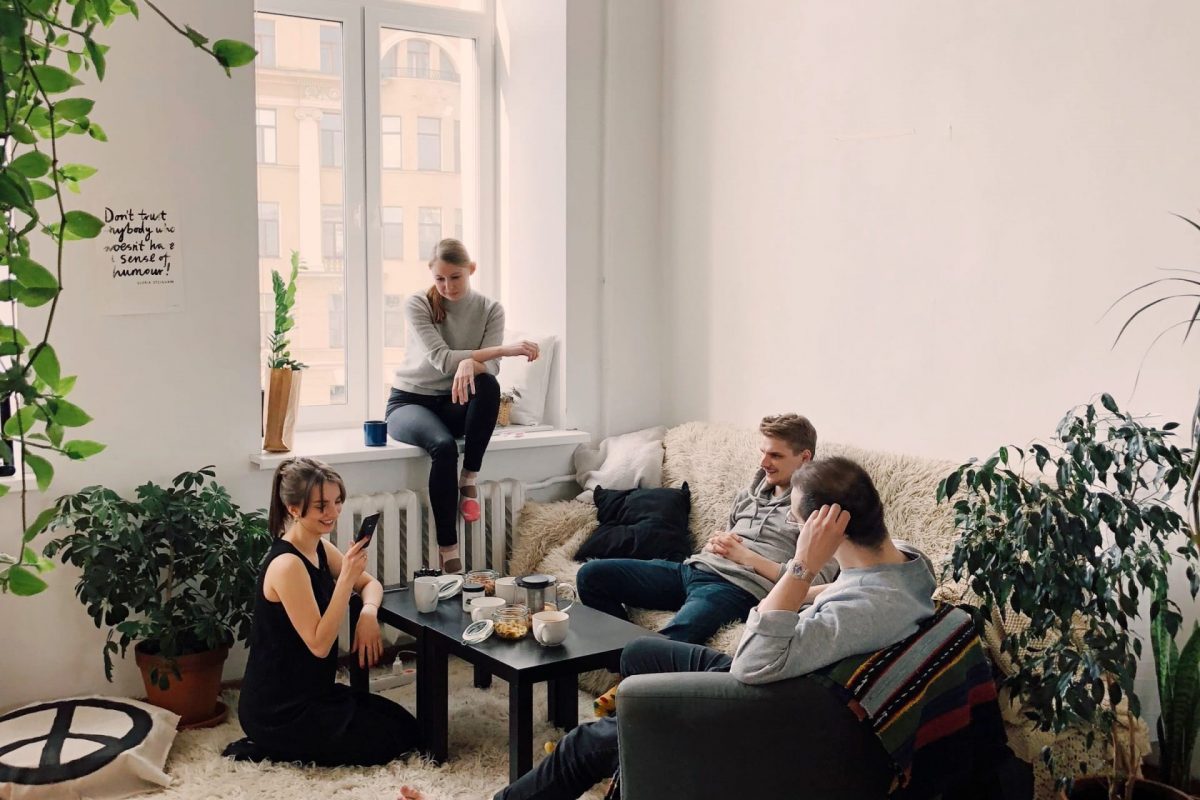
Today meetings don’t happen in meeting rooms anymore, especially for millennials. Try to provide various flexible spaces with different levels of privacy that allow for spontaneous conversations. You can create a relaxed spot for small group discussions with informal seating areas with comfortable chairs and low tables. To encourage shorter, more focused discussions, you can have café-height work tables without chairs which can accommodate larger groups of 6-8 people. To make a huddle zone for semi-private meetings, you can have high backed booth seating with a freestanding table that can move to different places in the office as needed.
Fifth, break away from the break room
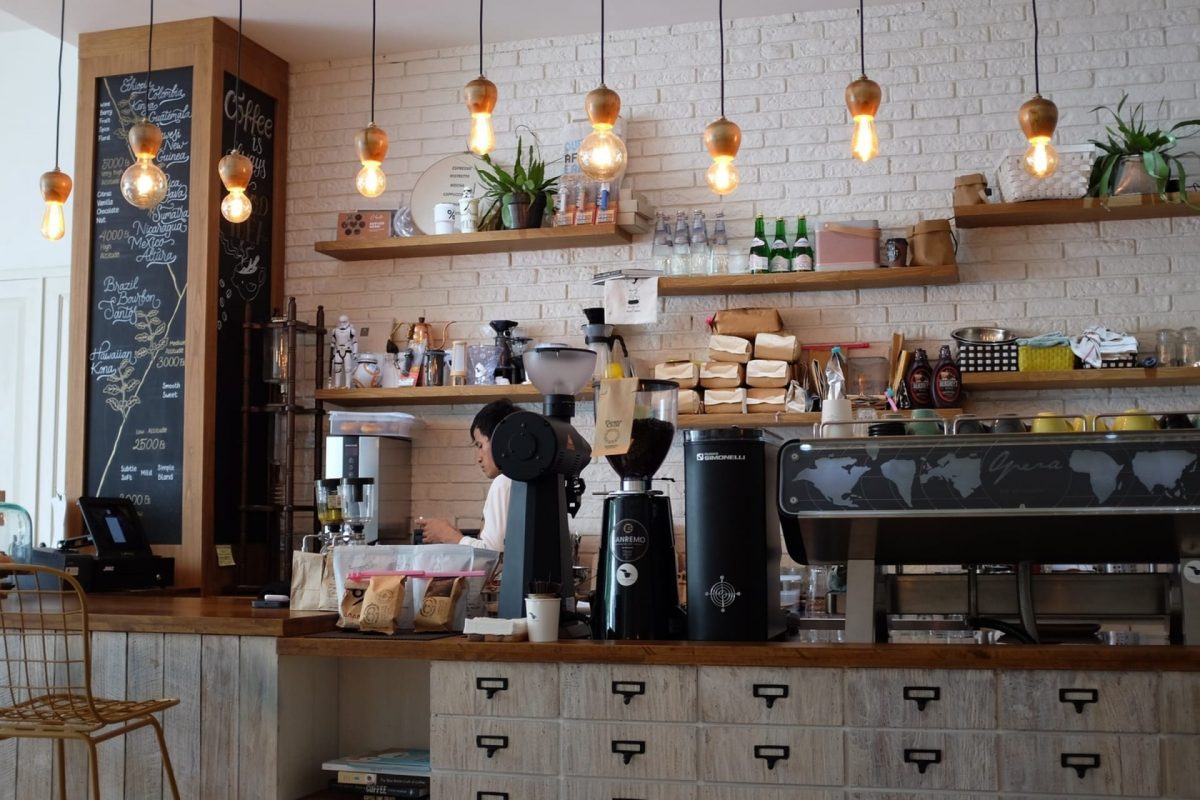
In today’s work environment, you rarely see large groups of workers having lunch together. As a result, the typical breakroom with large tables and a multitude of chairs don’t work in the design of a workplace. Instead, the breakroom should be a transitional space with distinct areas and different seating arrangements used for various functions during the day.
Providing a coffee bar, lounge seating, and small groups of tables and chairs can help transform the space for several functions, such as a kitchen/eating area, a lobby space, happy hours, off-the-cuff meetings, solitary work or all-staff get-togethers.
As companies try to attract the best young talent, having the above design elements can make your company a much more attractive place to work in for millennials. It will also increase the happiness and productivity of employees of all ages.
